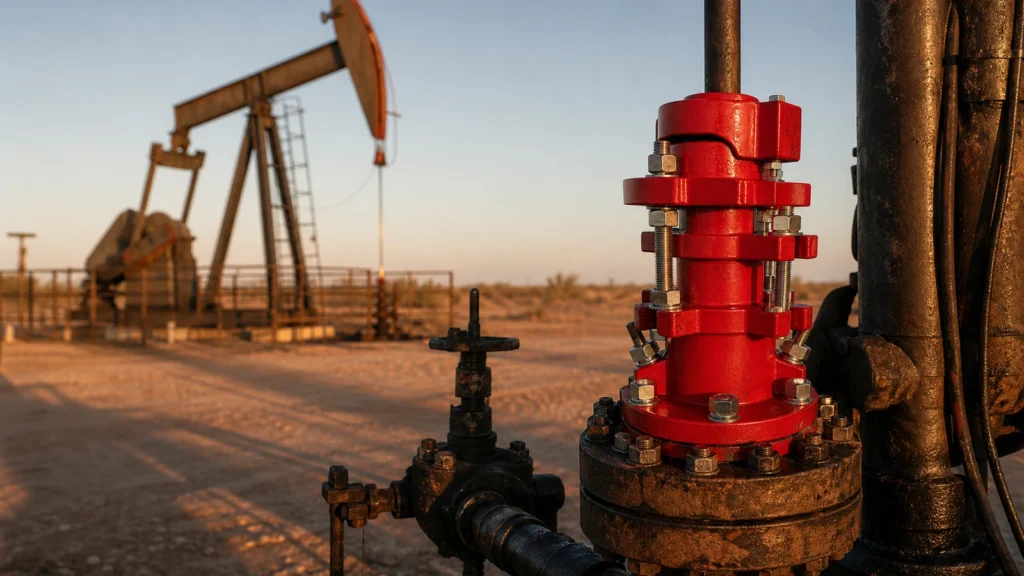
A mature rod-pumped well can turn a small sealing component into a major operating cost. This application case examines a high-water-cut, high-sand and corrosive service where conventional packing required replacement every 7–10 days. YUXIN developed a two-stage, force-lubricated polished rod stuffing box solution around the well’s actual operating data.
Project Snapshot
- Operating environment: Mature rod-pumped wells in the Permian Basin
- Primary challenge: Abrasive sand, high water cut, H2S exposure and rapid packing wear
- Applied product: Customized two-stage force-lubricated polished rod stuffing box
- Target: Extend maintenance intervals, reduce polished rod wear and control leakage
The Challenge: Frequent Packing Failure Was Consuming Production Time
The operator managed dozens of mature wells where fine formation sand entered the sealing interface. Combined with produced water and hydrogen sulfide, the abrasive particles accelerated packing wear and cut grooves into polished rod surfaces.
Standard stuffing boxes typically began leaking after only 7–10 days. Each packing replacement required approximately one to two hours of shutdown time, while recurring leakage increased cleanup work, HSE exposure and the risk of premature polished rod replacement.
Failure mechanisms identified
- Abrasive particles embedded in the packing and acted against the polished rod surface.
- Corrosive produced fluids attacked exposed components and reduced sealing stability.
- Insufficient lubrication increased friction and heat at the sealing interface.
- A conventional single-stage packing chamber could not isolate sand before it reached the primary seal.
Engineering Review and Customized Design
Rather than selecting a standard model, YUXIN reviewed stroke, speed, polished rod diameter and hardness, wellhead pressure, temperature and produced-fluid composition. The engineering conclusion was that the failure resulted from the combined effect of abrasion, corrosion and insufficient lubrication.
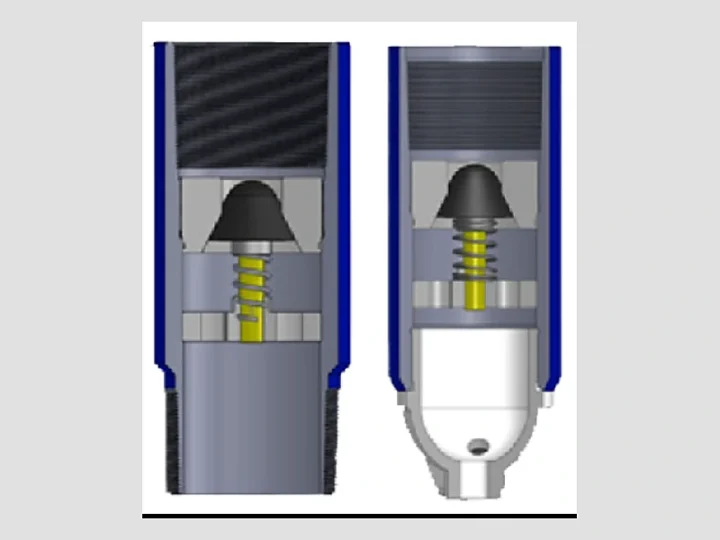
Stage 1: Sand scraping and isolation
A wear-resistant scraper ring was positioned ahead of the primary sealing chamber. Its role was to remove most attached sand and fluid residue before the polished rod entered the main packing set.
Stage 2: Primary sealing and controlled lubrication
Multiple self-lubricating PTFE-composite V-packing elements formed the main seal. A clean lubrication cavity between the two stages received temperature- and water-resistant grease through an external manual or automatic injection connection. The lubricant reduced friction and created a fluid barrier against remaining fine particles.
Material Selection and Validation
Metallic pressure-containing components were specified in materials suitable for sour-service requirements, with selection aligned to NACE MR0175 considerations. The scraper element used a wear-resistant hard-alloy solution, while the packing compound balanced pressure resistance, flexibility and low-friction performance.
A prototype was evaluated under simulated reciprocating service using a mixture representative of produced water and oil-sand conditions. The 720-hour durability program was used to verify sealing stability before field installation.
Controlled Production and Traceability
The housing and internal components were machined under controlled concentricity requirements to reduce uneven wear. Exposed parts received corrosion-resistant surface treatment. Each unit was assigned traceable production records covering material documentation, dimensional inspection and pressure-test results.
Installation and Operating Support
The replacement was completed with the field operating team, including alignment checks to reduce side loading on the polished rod. Operators were trained on the recommended low-volume, regular lubrication practice and an initial inspection schedule was established for the trial well.
Reported Operating Results
At the six-month inspection, the packing remained serviceable and no new longitudinal grooves were observed on the polished rod. The wellhead area remained cleaner, packing-related downtime fell substantially, and the operator estimated that avoided shutdowns could recover more than 900 barrels of annual production per well under the stated operating assumptions.
“The engineering team addressed the complete operating condition rather than supplying another standard replacement part. The solution focused on the source of the failure and gave us a practical path to longer, cleaner operation.”
Key Takeaway
Severe sand and corrosive service often exceeds the limits of standard packing arrangements. A diagnostic approach—combining operating data, staged particle isolation, controlled lubrication, suitable materials and traceable manufacturing—can convert a recurring maintenance point into a stable production component.