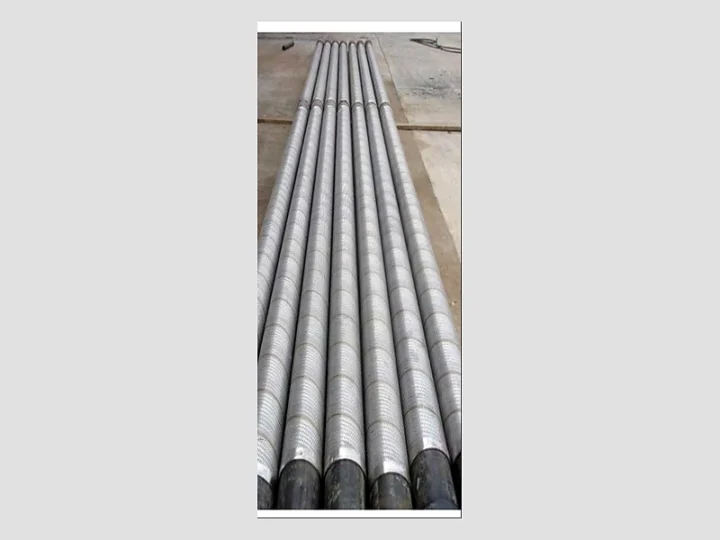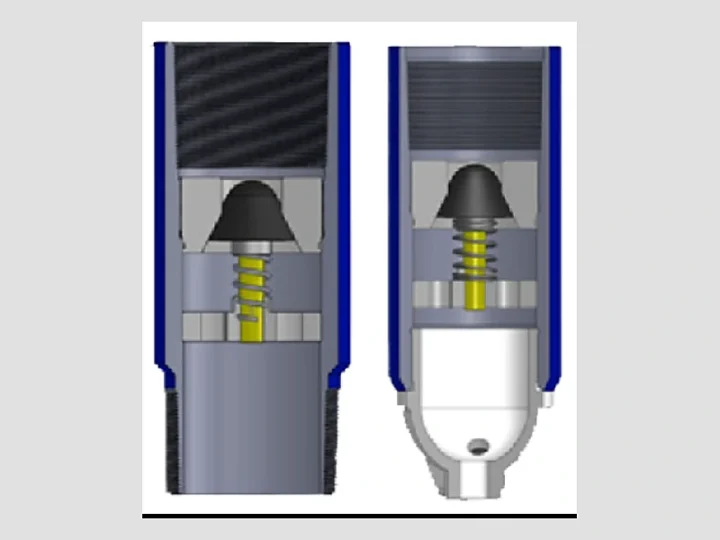

Export packaging is part of the supply scope, not an activity to leave until the truck arrives. Oilfield spare-part orders often combine heavy machined components, long rods, coated products, threaded connections and small seal items. Each group needs protection suited to its material, geometry, storage period and transport route.
Separate products by risk
Identify surfaces that can be damaged by impact, corrosion, contamination or deformation. Threads and sealing surfaces need caps or wrapping. Painted products may need separators to prevent abrasion. Long rods require support that limits bending during handling.
Define preservation requirements
Specify whether products need oil, rust-preventive material, sealed bags, desiccant or another approved method. Preservation should be compatible with product materials and the buyer’s unpacking process. Storage duration and climate at the destination are useful inputs.
Choose an appropriate outer package
Cartons may suit light protected items, while heavy assemblies generally require reinforced wooden cases or pallets. The package should support expected lifting and stacking without transferring damaging loads to the product. Buyers should state any restrictions on wood packaging or pallet dimensions.
Control mixed-order organization
Group items by product, model, purchase-order line or installation set. Use inner labels and a packing list so receiving personnel can identify contents without opening every package. Small spare seals and fasteners should be counted, bagged and linked clearly to the main equipment.
Prepare shipping marks carefully
Provide exact consignee, purchase-order, case number, gross and net weight, dimensions, handling marks and destination text. Confirm whether barcodes or customer labels are required. Marks should be durable and placed where they remain visible during normal handling.
Use packing evidence
When required, record product condition before packing, protection details, internal arrangement, closed case and shipping marks. Photographs help the supplier and buyer confirm the agreed method. Final packing data should also support freight booking and receiving preparation.