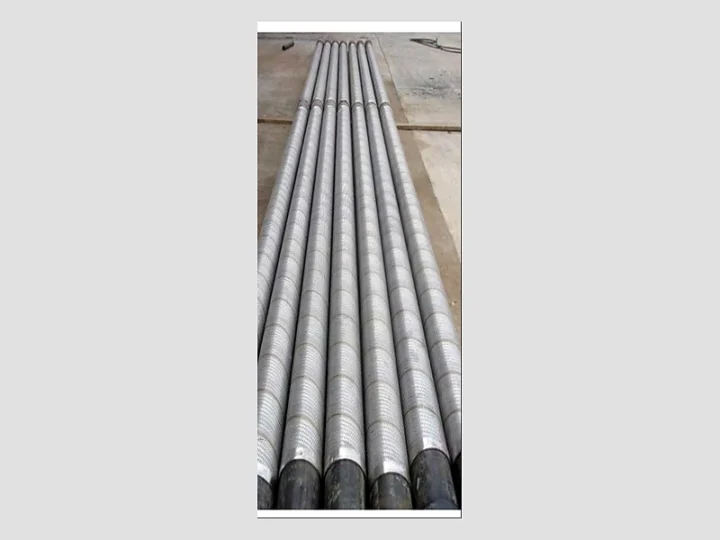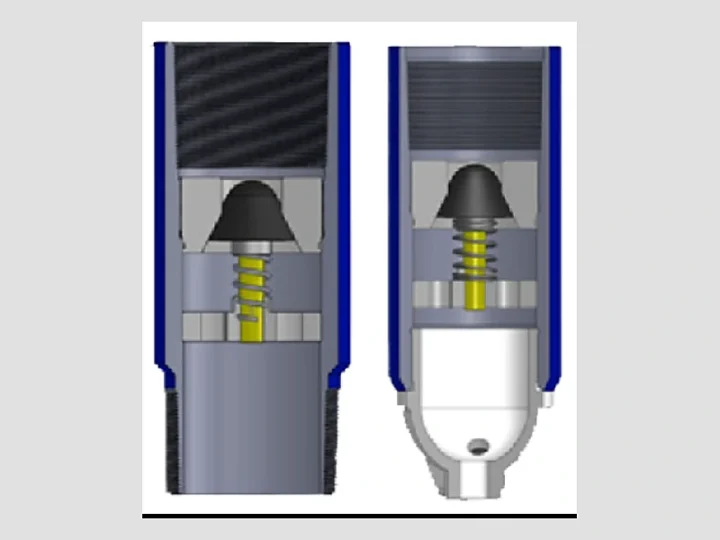

Tubing and casing couplings appear simple, but their function depends on a controlled connection between two tubular products. A useful inquiry must identify the mating pipe and connection requirements clearly. Size descriptions alone can be ambiguous when buyers, manufacturers and end users use different naming conventions.
Identify the tubular product
State whether the coupling is for tubing or casing and provide the outside diameter, wall or weight designation, grade and connection reference. Include the applicable drawing or purchase specification when the order is not based on a commonly recognized configuration.
Define the thread requirement
Thread form, taper, pitch, dimensions and gauging requirements control compatibility. The inquiry should name the agreed reference and identify any special clearance, seal or end-face requirement. If a sample is supplied, it should be accompanied by known service history and measured data.
Confirm material and treatment
Material grade, heat treatment, hardness limits, surface protection and thread compound requirements should be listed in the technical package. Environmental or storage needs may also affect corrosion protection and packaging.
Set the inspection scope
Agree which dimensions and connection characteristics will be checked and what records must accompany the shipment. Inspection may include visual condition, dimensions, thread gauges, marking and document review. The agreed plan should distinguish routine production checks from any third-party inspection.
Specify marking and traceability
Provide the exact marking content, location and method. Batch, size and connection identification should remain readable through normal handling and packaging. Do not request brand or certification markings unless their use is authorized and supported by the order documents.
Plan packaging around the connection
Threads and sealing areas require protection from impact, moisture and contamination. State quantity per package, separator or protector requirements, pallet limits, shipping marks and destination. Clear packing instructions reduce rework before dispatch and simplify receiving inspection.